Feetures Graduated Compression Light Cushion Knee High Reviews

Affiliate disclosure: Some links on this page are affiliate links. If you buy through them we earn a small commission at no extra cost to you. Recommendations are research-driven; we don't claim personal use of every product reviewed. Product prices and availability are accurate as of the date published and are subject to change. Always check Amazon for current pricing before purchasing. Learn more.
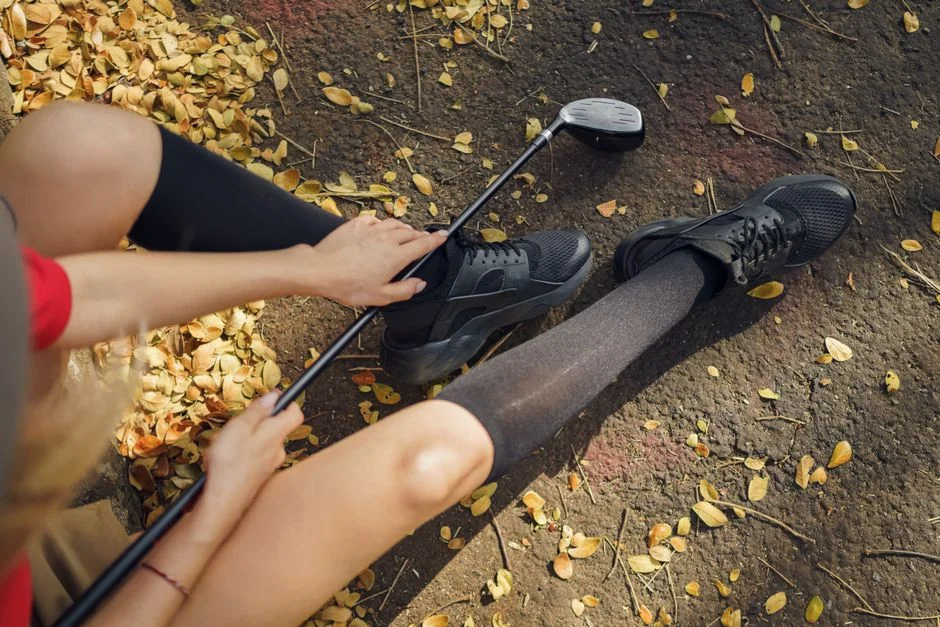
Graduated compression design targets circulation and recovery support
See Feetures Compression Knee High Socks … on AmazonCompression socks get ignored until something goes wrong. Most people reach for them after a long flight, a bad swelling week, or a recommendation from someone who works on their feet. If you’re looking at Compression Wear options for daily use or active recovery, Feetures is one of the brands that comes up consistently in owner reports , particularly for fit, durability, and how the compression actually holds through movement.
The three Feetures options covered here represent different use cases: knee-high graduated compression for circulation support, and two shorter athletic styles with targeted compression for sport and recovery. Each one has a different buyer.
What to Look For in Compression Socks
Compression Level and Gradient
Not all compression is the same. Graduated compression , where the sock applies more pressure at the ankle and gradually decreases up the leg , is the design that supports circulation most effectively. This matters most in knee-high styles, where the length of coverage means the gradient has room to do its work. Socks marketed as “compression” without specifying graduated design are often uniform-pressure products, which serve a different function.
For most non-clinical buyers, a mild to moderate compression range (roughly 15, 20 mmHg) is the right starting point. Higher ranges exist and are appropriate for specific medical applications, but those require a clinician’s guidance. If you’re shopping for active recovery or daily wear for on-your-feet jobs, the moderate range is where most owner consensus sits.
Cushioning Weight and Activity Match
Cushioning and compression are separate variables, and the right combination depends on what you’re doing. Light cushioning keeps the sock thinner , better breathability, less bulk inside a shoe. Ultra-light cushioning goes further in that direction: minimum material, maximum airflow, closer to a second-skin feel. Maximum cushion adds padding underfoot but adds bulk and heat.
For high-impact activities , trail running, heavy construction work, extended ladder sequences , light cushion may not be sufficient on its own for impact protection. For recovery wear, daily office use, or moderate athletic activity, light or ultra-light is often the better call. Getting this wrong means either a sock that’s too hot and stiff for the activity or one that doesn’t protect enough.
Sock Height and Coverage Needs
Knee-high compression socks provide coverage from the foot to just below the knee , the area where graduated compression does its best circulation work. Quarter-height and mini-crew styles cover the foot and ankle only, which is appropriate for targeted athletic support but not for leg fatigue or swelling management.
The height decision is often determined by the underlying goal. If the goal is managing lower-leg fatigue after long days on your feet, knee-high is the correct choice. If the goal is athletic performance support at the ankle and arch, a shorter style works. Confusing these two purposes is one of the more common buying mistakes in this category. Reviewing men’s knee high compression socks 15, 20 mmHg options alongside knee-high graduated designs can help clarify what you’re actually shopping for.
Fit, Sizing, and Stability
A compression sock that moves is a problem. Bunching at the ankle, slipping at the calf, or rolling down mid-activity defeats the compression design and creates pressure points. Getting the sizing right is not optional , it’s what separates a sock that works from one that just feels tight in the wrong places.
Most manufacturers publish fit charts based on shoe size and calf circumference. Calf circumference is the more critical measurement for knee-highs. For athletic quarter and mini-crew styles, shoe size is typically sufficient. Owner reports in this category consistently point to sizing accuracy , meaning the fit chart actually matches the product , as a key differentiator between brands. Feetures has a generally strong reputation on this point across verified buyer reports.
Durability Under Real Conditions
Compression socks fail in two ways: the elastic breaks down and the compression decreases, or the fabric wears through before the elastic does. Both failure modes show up in owner reports, and both are worth checking for before buying.
For job-site and heavy-use buyers, fabric durability under footwear friction is the first concern. For daily-wear buyers, elastic longevity through repeated washing is what matters. The full range of compression wear options varies significantly on both dimensions, and owner reports over six to twelve months of use are the most reliable signal.
Top Picks
Feetures Compression Knee High Socks Graduated
Feetures Compression Knee High Socks - Graduated Compression Socks for Women & Men is the only knee-high option in this group, and the use case is different enough that it shouldn’t be compared directly to the athletic quarter and mini-crew styles. Graduated compression from ankle to below-knee is a specific design for circulation support , leg fatigue management, swelling reduction after long days on your feet, or travel recovery. Owner reports point to consistent performance on all three.
What comes up repeatedly in verified buyer feedback is that the sock stays put. That’s the first test for anything in this category. A support sock that slips or bunches under work pants or inside a tall boot is providing neither compression nor comfort. Field reports indicate this one holds position through a full day of mixed activity , standing, walking, kneeling sequences , which is the use case most daily-wear buyers are actually shopping for.
The single-pair offering is worth noting. It lets you test fit, comfort, and performance before committing to a multi-pack. For buyers who are new to graduated compression and uncertain about whether knee-high is the right height for their situation, starting with one pair is the sensible move. If the fit is right and the compression level works, the commitment scales from there. Buyers comparing options in this height range may also want to look at Jobst knee high compression sport socks 20, 30 mmHg reviews to understand where Feetures sits on the compression-level spectrum.
Check current price on Amazon.
Feetures Elite Light Cushion Quarter Solid
The Feetures Elite Light Cushion Quarter Solid is a sport sock, not a recovery or circulation product. The targeted compression here is focused on the arch and ankle , support during activity, not graduated circulatory work. That distinction matters. Buyers who come to this sock expecting the same function as a knee-high graduated design will be disappointed, not because the sock fails, but because the purpose is different.
For what it’s built for , athletic performance and moderate recovery support at the foot and ankle , owner consensus is consistently positive. The light cushioning sits in the right range for most sport contexts: enough underfoot protection for road running, gym work, or active facility work, without the bulk that makes a heavily cushioned sock feel stiff inside a performance shoe. Breathability holds up well in extended wear reports.
The quarter height leaves the lower leg uncovered, which is appropriate for this use case. If you’re managing lower-leg fatigue or swelling, this sock is not the answer , the knee-high graduated option is. But for sport-specific ankle and arch support with a versatile height that works across footwear types, the Elite Light Cushion Quarter is well-built for its intended application. Buyers exploring what different compression heights accomplish may find compression pants with knee support a useful comparison point for understanding how layered support approaches differ.
Check current price on Amazon.
Feetures Elite Ultra Light Cushion Mini Crew Sock
The Feetures Elite Ultra Light Cushion Mini Crew Sock takes the same targeted compression platform as the Quarter Solid and reduces cushioning further. Ultra-light means minimal material between foot and shoe , the sock is there for compression and fit structure, not for impact padding. The mini crew height adds a bit of ankle coverage compared to the quarter, which some buyers prefer for low-cut shoe styles.
Owner reports on the ultra-light cushion format consistently note the breathability and low-profile feel. For runners logging high mileage in shoes that already have substantial midsole cushion, this makes sense , you don’t need the sock to absorb impact, you need it to stay put and support the arch and ankle through the stride cycle. That’s what this sock is built to do.
The trade-off is clear: if your activity involves rough surfaces, heavy footwear, or extended periods of kneeling and crawling , job-site conditions rather than road conditions , ultra-light cushion is not sufficient protection. It’s also not designed for it. The sock serves a specific athletic buyer well. Outside that context, the light cushion Quarter or the knee-high graduated option is the stronger choice.
Check current price on Amazon.
Buying Guide
Know What You’re Actually Buying
Compression socks occupy several distinct categories that get grouped together in search results: graduated knee-highs for circulation support, athletic targeted-compression socks for performance, and general compression socks that may be neither. The Feetures lineup spans at least two of these categories, and buying the wrong one for your situation is the most common mistake.
If the goal is managing leg fatigue after long days standing or walking, or supporting circulation during travel, a graduated knee-high is the correct format. If the goal is athletic arch and ankle support during sport, a quarter or mini-crew targeted compression sock is appropriate. These are not interchangeable.
Compression Level Is a Specification, Not a Feeling
Compression socks are measured in millimeters of mercury (mmHg). Most athletic and daily-wear products fall in the 15, 20 mmHg range. Medical-grade compression goes higher and is typically prescribed. The Feetures graduated knee-high sits in the moderate range appropriate for daily use and active recovery , not medical-grade, but meaningfully compressive.
Buyers who have used light-pressure fashion compression socks and found them ineffective often don’t realize they were wearing a different product. Moderate graduated compression applies measurable pressure that you can feel. If you’re uncertain about what compression level is appropriate for a specific clinical condition, talk to your doctor or physical therapist before buying.
Stability Is the First Practical Test
A support product that moves is worse than no support at all. A sleeve or sock that bunches under work pants by noon creates friction and a false sense of coverage. The same principle applies to compression socks , a sock that slips at the calf, rolls at the ankle, or compresses unevenly through the day is not performing its function. Getting sizing right, particularly calf circumference for knee-highs, is what determines whether the compression design actually works on your leg.
Owner reports across compression wear products consistently identify poor sizing as the root cause of most comfort complaints. Before attributing performance issues to the product, verify that the size selected matches the manufacturer’s fit chart , not just shoe size, but calf measurement for knee-high styles.
Cushioning Weight and Footwear
The cushioning weight you need depends on your footwear and your activity. Ultra-light cushion inside a well-padded trail runner is appropriate. Ultra-light cushion inside a thin-soled work boot on concrete aggregate is not. Light cushion closes some of that gap but doesn’t substitute for a boot with proper midsole support.
This is a detail that buyer reviews sometimes miss. The complaint that a light-cushion compression sock “didn’t help” on a job site often reflects a footwear problem, not a sock problem. The sock’s job is compression and fit. Underfoot protection is the footwear’s job. If you’re dealing with knee fatigue from hard-surface impact, reviewing your boot choice alongside your sock choice is worth the time.
Single Pair vs. Multi-Pack Buying Strategy
Compression socks compress. If they don’t fit right , length, circumference, toe box , you’ll know within the first full day. Buying a multi-pack before you’ve tested fit on one pair is a common and avoidable waste. Starting with a single pair, wearing it through a full working day or training session, and evaluating both the fit and the compression level before scaling the purchase is the right sequence.
This applies particularly to graduated knee-highs, where the fit variables are more numerous. The Feetures knee-high’s single-pair offering accommodates this approach directly. For buyers who already know their size and have worn Feetures products before, multi-pack buying makes sense. For first-time buyers in this format, one pair first.
Frequently Asked Questions
What is the difference between the Feetures graduated knee high and the Elite athletic socks?
The graduated knee high is designed for circulation support , it applies more compression at the ankle and decreases pressure up the leg, which is the format used for managing leg fatigue, swelling, and recovery from long days on your feet. The Elite Quarter and Mini Crew are athletic sport socks with targeted arch and ankle compression for performance use during activity. They serve different purposes and shouldn’t be substituted for each other.
Are these socks suitable for job-site and construction trade use?
The Feetures Compression Knee High Socks is the most applicable option for job-site daily wear , knee-high coverage, graduated compression, and verified fit stability in owner reports. The light and ultra-light cushion athletic styles are not designed for rough-surface impact protection and will not substitute for appropriate work footwear. If job-site knee support is the priority, a compression sleeve or compression pants with knee pads may be a more complete solution.
How do I choose the right size in Feetures compression knee highs?
Use the manufacturer’s fit chart, and measure your calf circumference , not just your shoe size. For knee-high compression socks, calf width determines whether the sock stays put and applies even pressure. A sock sized only by foot length that runs tight at the calf will bunch and slip, which defeats the compression design. Most Feetures fit charts include both measurements.
Can these socks replace a knee brace or compression sleeve?
No. Compression socks work from the foot upward and are designed to support lower-leg circulation and ankle structure. A knee brace or compression sleeve targets the joint itself , patellar tracking, ligament support, or joint stability , which is outside what a sock can accomplish. If you’re managing a specific knee condition, talk to your doctor or physical therapist about the right support format for your situation.
How long do Feetures compression socks hold their compression through regular washing?
Owner reports across multiple verified buyer reviews indicate Feetures socks hold compression well through repeated laundering when washed according to care instructions , typically cold water, air dry or low heat. Elastic degradation in compression socks is usually the result of high-heat drying over time. Buyers who machine-dry on high consistently report shorter effective lifespans. If you’re using these socks daily, rotating between two pairs and air-drying extends the compression life of both pairs.
Feetures Compression Knee High Socks - Graduated Compression Socks for Women & Men - (1 Pair): Pros & Cons
- Graduated compression design targets circulation and recovery support
- Knee-high length provides extended coverage for lower leg
- Single pair may require frequent laundering for daily use
Where to Buy
Feetures Compression Knee High Socks - Graduated Compression Socks for Women & Men - (1 Pair)See Feetures Compression Knee High Socks … on Amazon